Antioxidant serums
Evaluate the selected grade in the serum base. Compare colour, odour and assay over storage with a matched base sample.
PH-NP 015 · PRODUCT DATA
Cosmetic ingredient grades from 0.5% to 99%
Compare golden oyster mushroom and yeast sources.
PINHONBIO® supplies four grades of L-Ergothioneine. Choose by source, appearance and the active content your formula requires.
This page describes ingredient identity, specification and technical review points. It does not establish a finished-product efficacy or regulatory claim.
QUICK ANSWER
The 0.5%, 1% and 2% grades come from golden oyster mushroom (Pleurotus citrinopileatus). The 0.5% and 1% grades are pale-yellow powders. The 2% grade is bright yellow and contains no added excipients. The yeast-derived 99% grade is a white to off-white crystalline powder. Check all four grades and request the relevant specification.
| Product name | L-Ergothioneine |
| Product code | PH-NP 015 |
| CAS | 497-30-3 |
| INCI | Ergothioneine |
| Grade | Source / property | Appearance | Grade selection and requests |
|---|---|---|---|
| 99% | Yeast-derived | White to off-white crystalline powder | ≥99.0% by HPLC on a dried basis. SampleQuoteTechnical data |
| 1% | Golden oyster mushroom (Pleurotus citrinopileatus) | Pale-yellow powder | Evaluate where mushroom origin is required. SampleQuoteTechnical data |
| 0.5% | Golden oyster mushroom (Pleurotus citrinopileatus) | Pale-yellow powder | Evaluate where mushroom origin is required. SampleQuoteTechnical data |
| 2% | Golden oyster mushroom (Pleurotus citrinopileatus) No added excipients. | Bright yellow | Request the 2% grade specification before selection. SampleQuoteTechnical data |
For the 0.5%, 1% and 2% grades, request the ingredient declaration and analytical method for the selected grade. For 0.5% and 1%, also request carrier information.
For batch results, request the 99% grade COA.
| Test item | 99% grade specification | Method |
|---|---|---|
| Assay (on dried basis) | ≥99.0% | HPLC |
| Appearance | White to off-white crystalline powder | Visual |
| Loss on drying | ≤0.5% | 5 g / 105°C (as listed) |
| Test item | 99% grade specification | Method |
|---|---|---|
| Identification | HPLC retention time corresponds to WRS | HPLC |
| Specific rotation [α]D²⁰ | >122.0° (C 1, H₂O) | USP <781> |
| Physical form | Fine powder | Visual |
| Odor | Characteristic | Organoleptic test |
| Bulk density | 70–80 g/100 mL | USP34-NF29 <616> |
| Total heavy metals | ≤10 ppm | ICP-MS |
| Arsenic (As) | ≤1 ppm | ICP-MS |
| Cadmium (Cd) | ≤1 ppm | ICP-MS |
| Lead (Pb) | ≤1 ppm | ICP-MS |
| Mercury (Hg) | ≤0.1 ppm | ICP-MS |
| Staphylococcus aureus | Negative per g | USP34-NF29 <2022> |
| Salmonella | Negative per g | USP34-NF29 <2022> |
| E. coli | Negative per g | USP34-NF29 <2022> |
| Yeasts and moulds | ≤100 cfu/g | USP34-NF29 <2021> |
| Total bacteria count | ≤1000 cfu/g | USP34-NF29 <2021> |
The process outline lists ethanol at the centrifugation step. For microbial specifications and batch results, see the 99% technical data and request the batch COA.
Packaging: Double plastic bag inside a neutral cardboard drum. Storage: Keep in a shaded, cool, dry place. Shelf life: 2 years when stored properly, for the 99% grade.
Formulation guidance for the 99% grade: Add L-Ergothioneine to the aqueous phase at 40°C or below (≤40°C). Check dissolution and stability in the finished formula.
View / print 99% grade technical data →Evaluate the selected grade in the serum base. Compare colour, odour and assay over storage with a matched base sample.
Assess the essence on the intended sheet material. Check colour transfer, odour and formula stability in the final pouch.
English product files for the 99% material.
Request the specification, composition and documents for the grade you are evaluating.
Select a grade in the comparison table →For a destination-market review, specify the declarations or test reports you need for the selected material. Quality control and testing
PINHONBIO
The 99% TDS specifies double plastic liners inside a fibre drum and a shelf life of 24 months from manufacture under its stated storage conditions. For the 0.5%, 1% and 2% grades, request the corresponding pack and storage specifications.
Check the seal before opening your carton. It should be intact, with no “VOID” text visible.

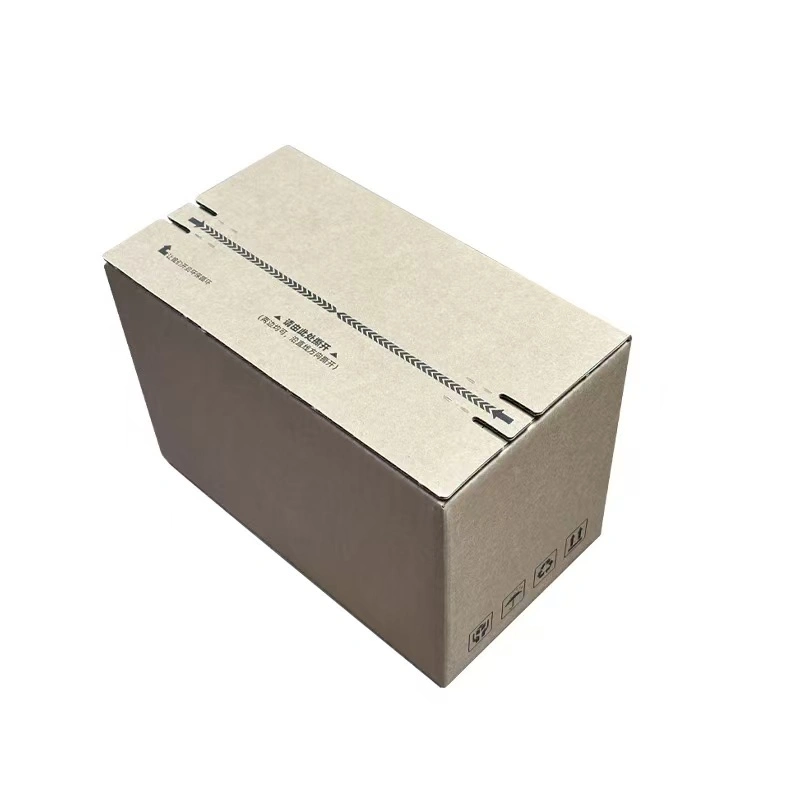
Packaging guide examples are shown in size order. Confirm the available size and container for PH-NP 015 in your quotation.
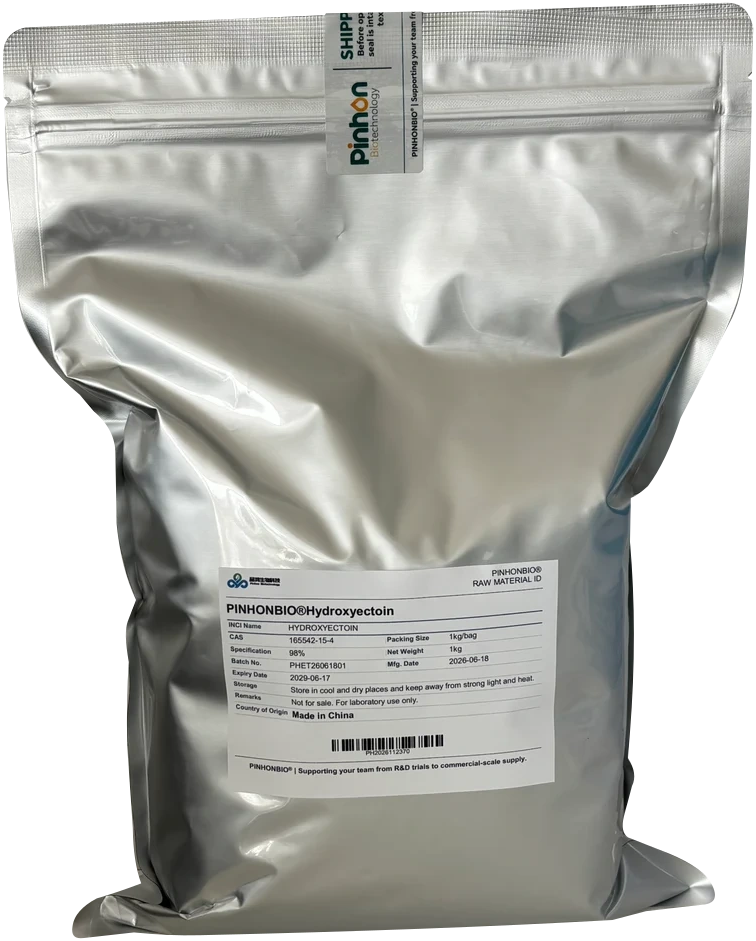 Pouch seal
Traceability code
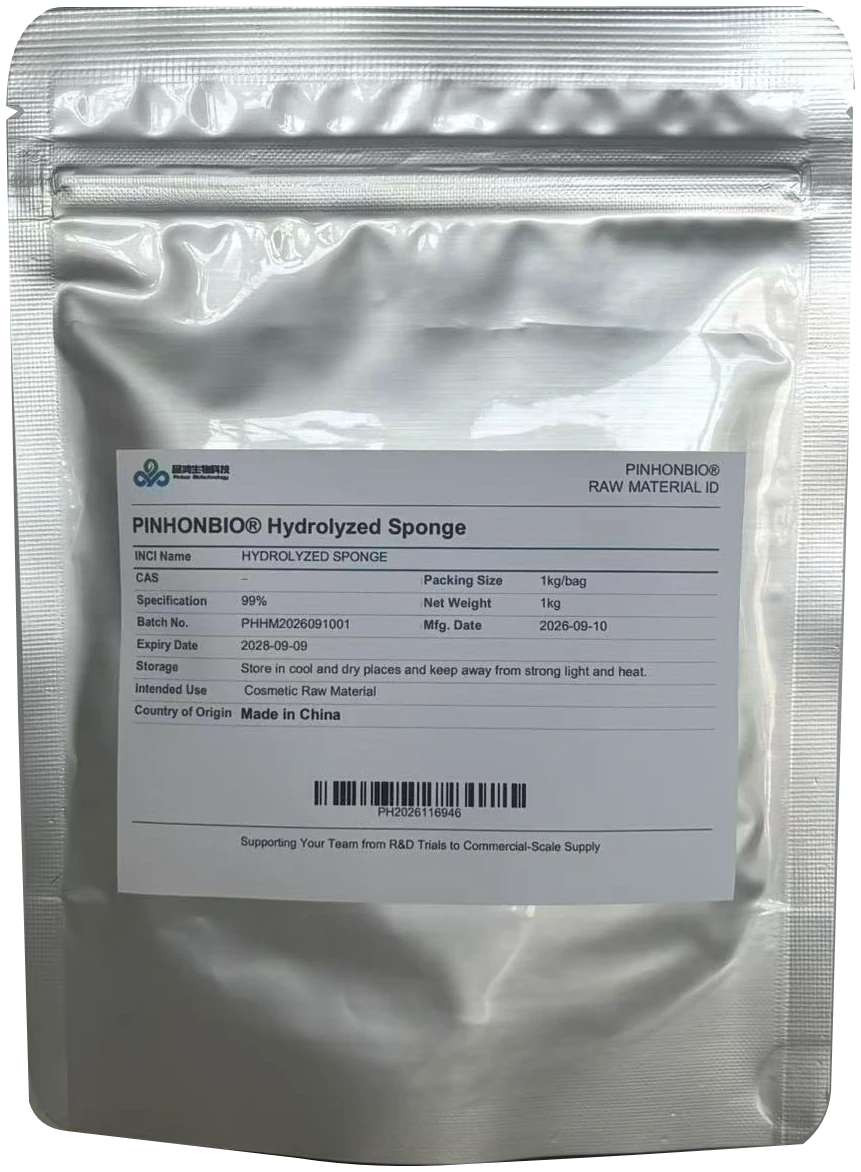
The foil pouch illustrates the seal and traceability label on a 1 kg pack.
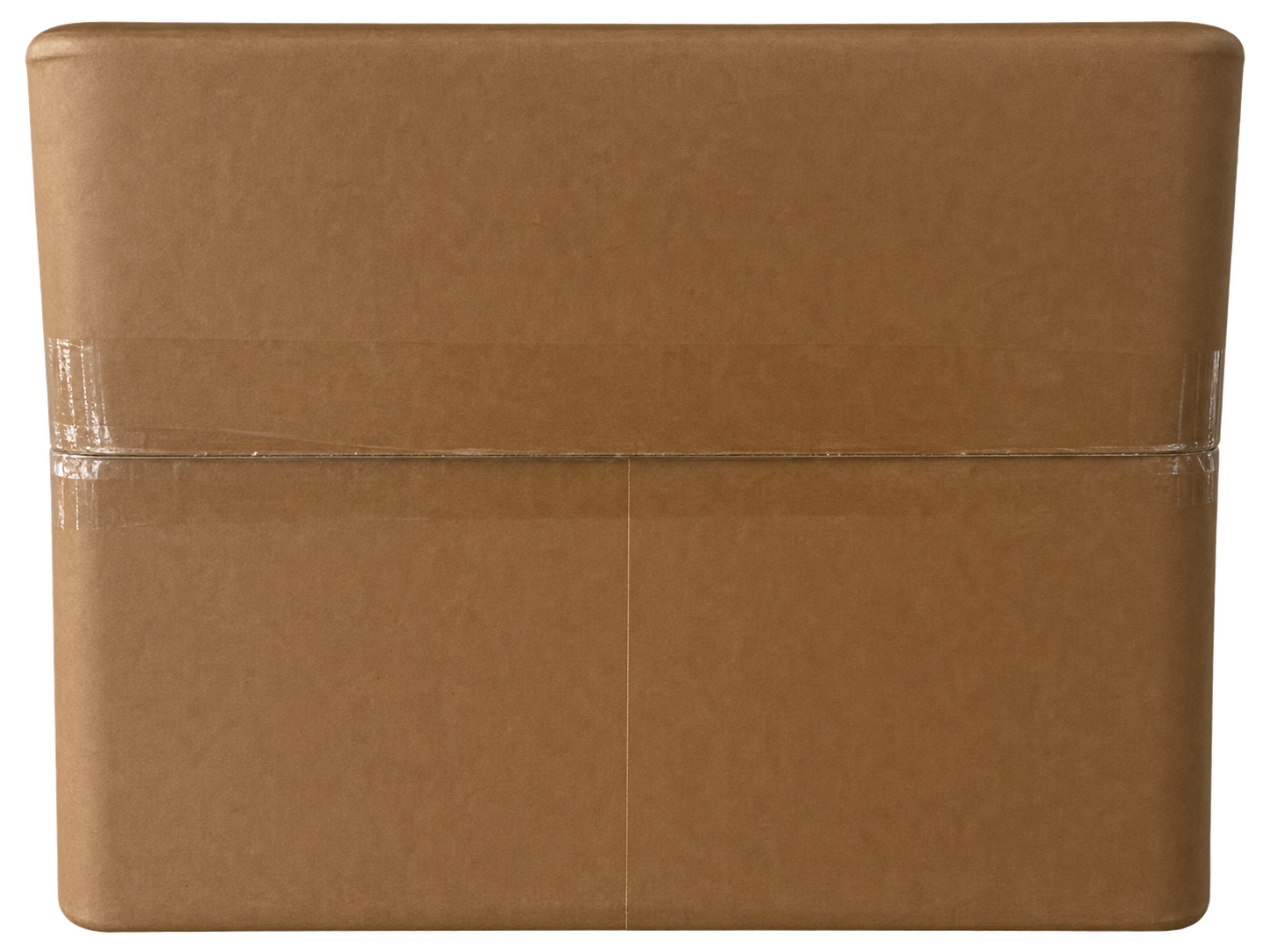

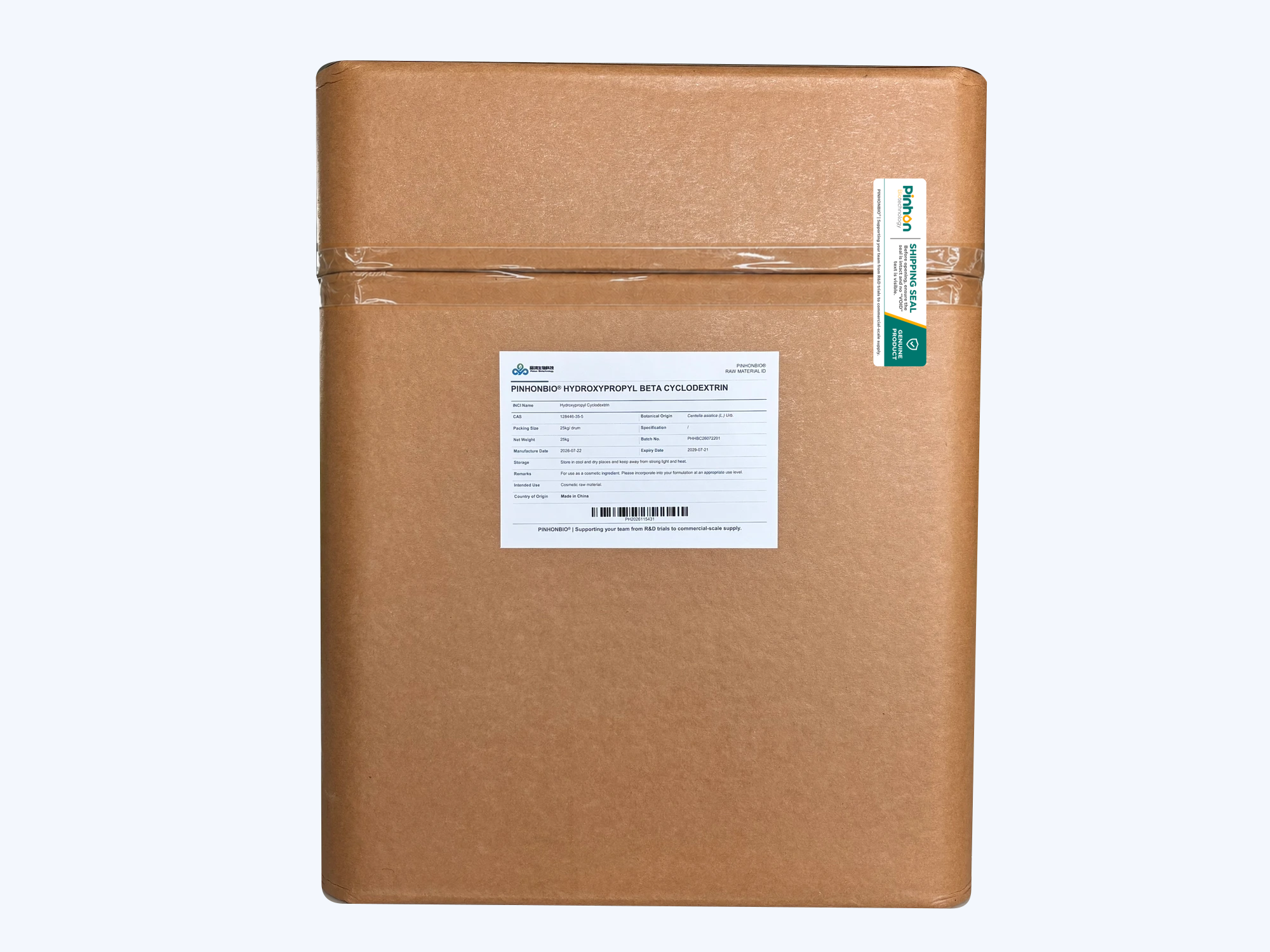
A tamper-evident seal spans the lid seam. Check the seal and product label on receipt.
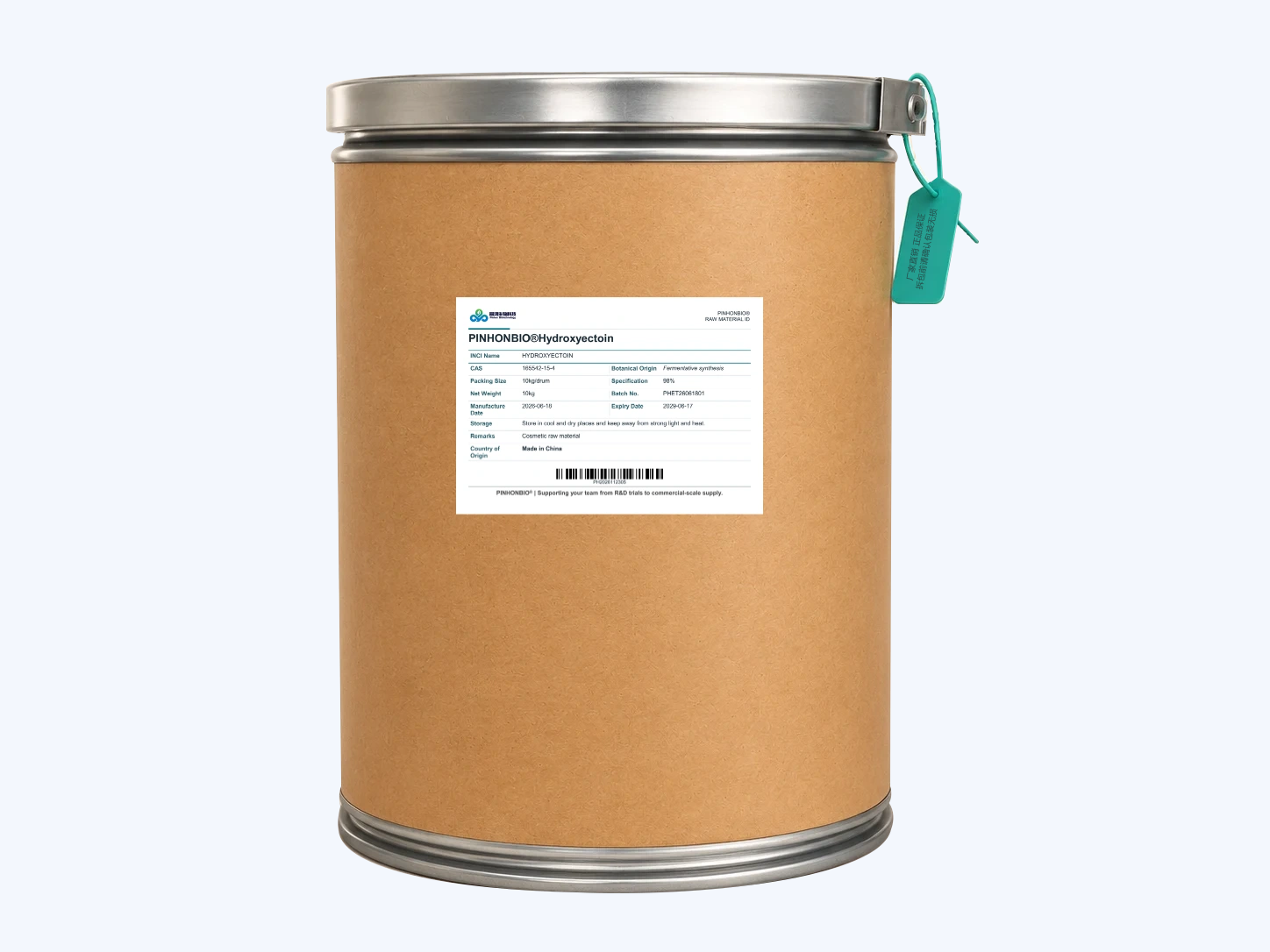 Tamper-evident authenticity sealBatch traceability code
A security tag secures the locking ring. The label carries the batch traceability code.
 Tamper-evident authenticity sealBatch traceability code
Check the seal across the lid and the batch code on the label before opening the drum.
 Sample barcode
Every PINHONBIO sample carries a barcode for tracking.
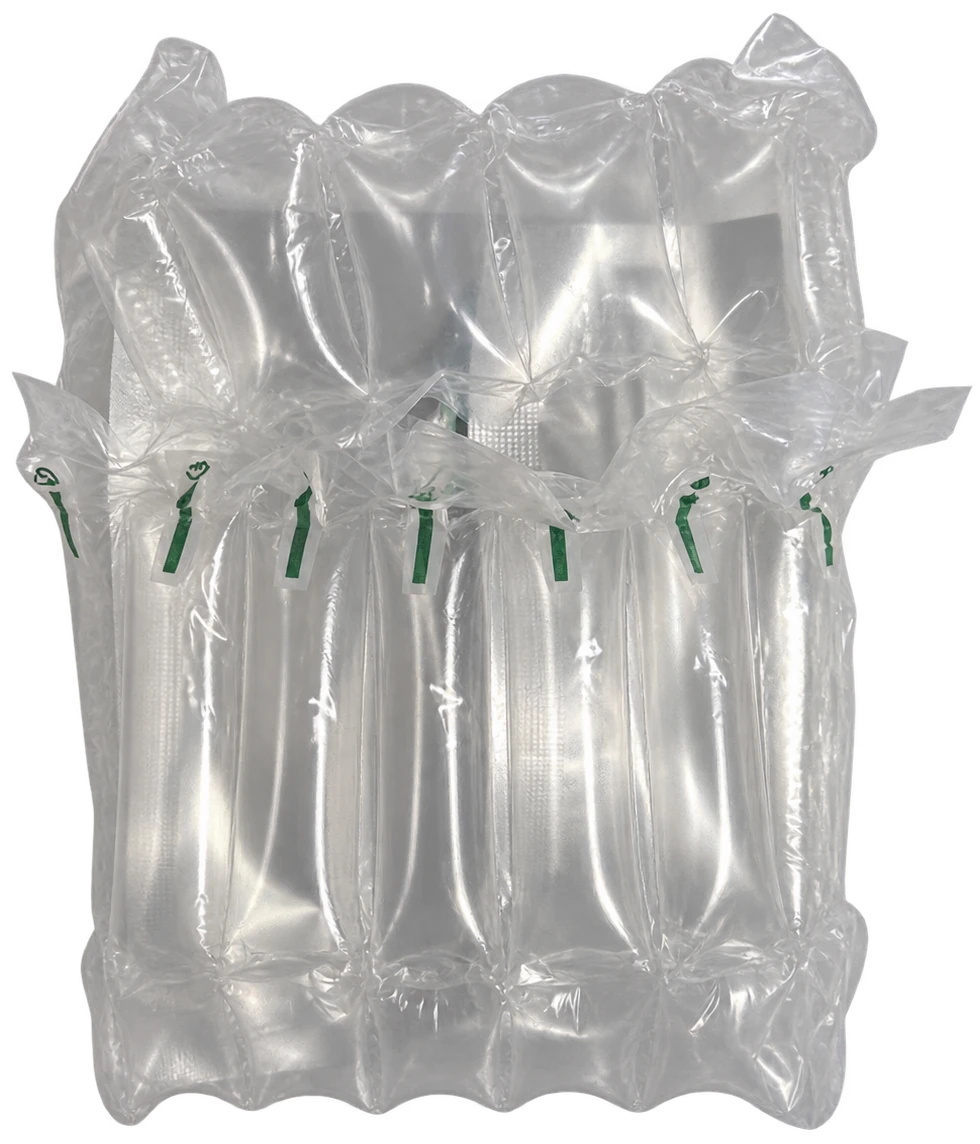 Air column
Inflated air columns wrap around the sample to cushion it during shipping.
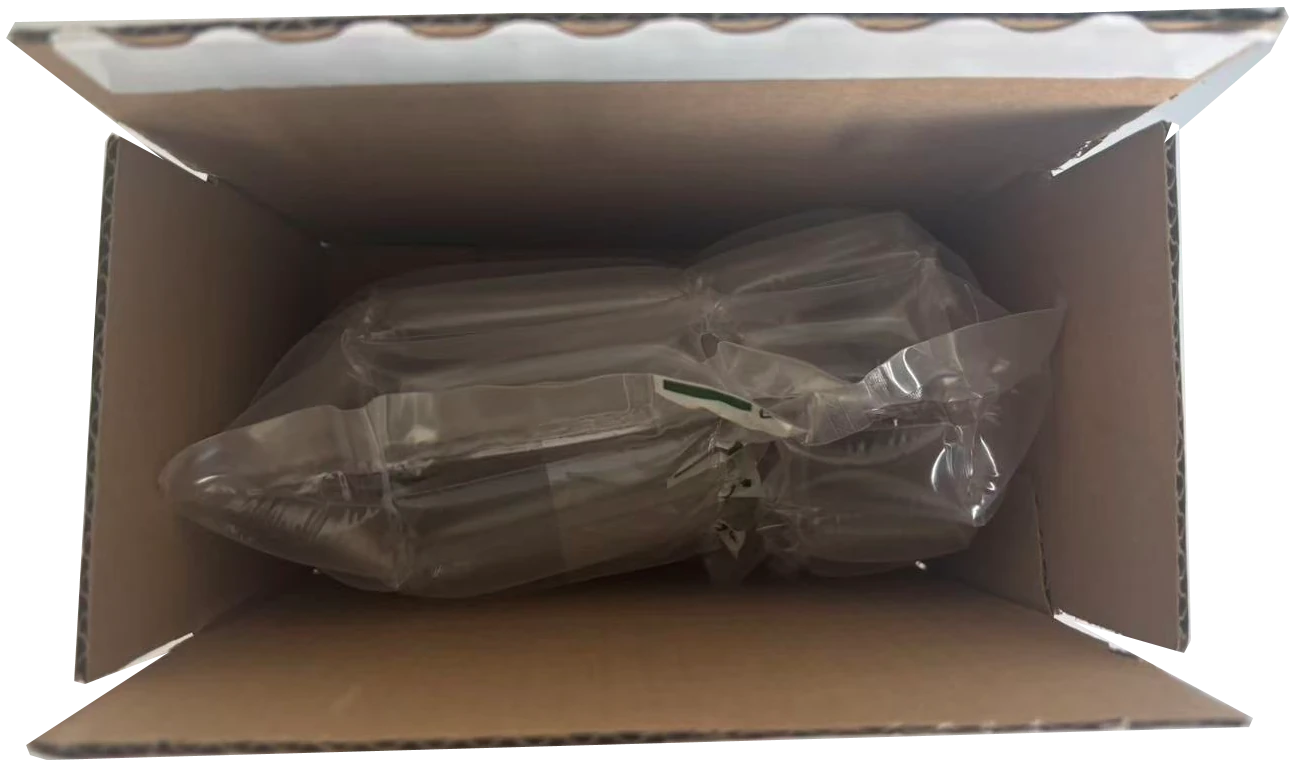 Cushioned sample
The cushioned sample fits inside the corrugated carton.
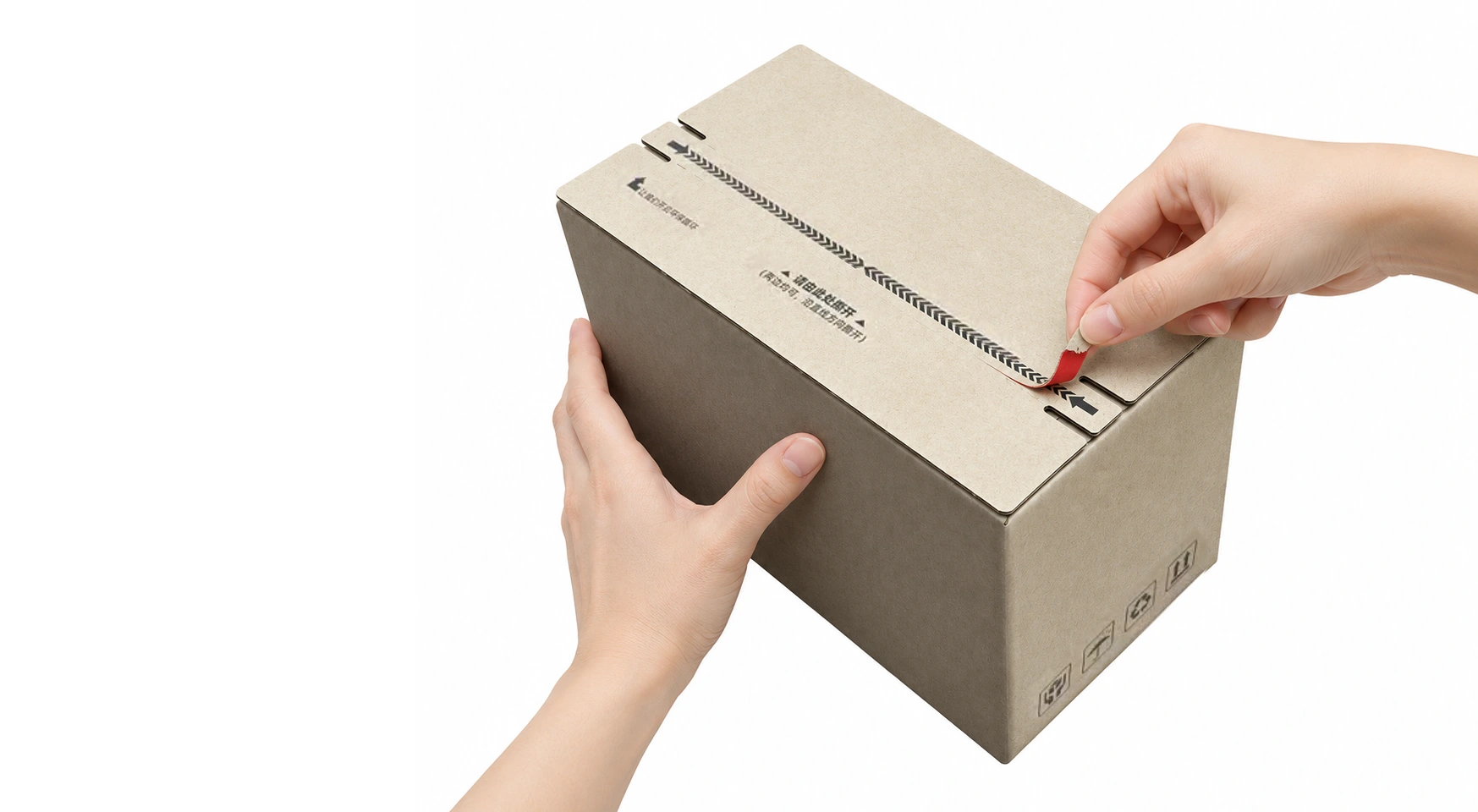 Tear strip
Check the shipping seal, then pull the tear strip across the lid to open the carton.
The 0.5%, 1% and 2% grades are derived from golden oyster mushroom (Pleurotus citrinopileatus). The 99% grade is yeast-derived. Request the grade-specific source declaration for your purchasing and formulation review.
No. The 99% grade is listed as white to off-white crystalline powder, while the 1% and 0.5% grades are pale-yellow powders. The 2% grade is bright yellow. Evaluate the selected grade at the intended addition level.
The 99% grade specification lists characteristic odor, not odorless. The 0.5%, 1% and 2% grades require separate sensory specifications. Assess the selected grade in your own formula.
Check the PH-NP 015 code, product name, INCI or chemical identity, selected grade, packaging label and corresponding batch COA together.
Available L-Ergothioneine grades are 0.5%, 1%, 2% and 99%. The three lower-strength grades come from golden oyster mushroom. The 99% grade is yeast-derived.
Select the grade and target active content first. The 0.5%, 1% and 2% grades share a golden oyster mushroom source. The 99% grade comes from yeast. Compare the complete composition and assess dissolution, colour and stability at the intended addition rate; do not transfer the handling or dose of the 99% material directly to a dilute extract grade.
Available files may include the current TDS, Specification, SDS and a COA for the corresponding L-Ergothioneine batch. Additional regulatory or testing files depend on the selected grade and project scope.
Send PINHONBIO® the product code PH-NP 015, required grade, quantity, destination market and intended formulation format. Sample availability, quotation terms and documents are then confirmed in writing.
Formulation questions
No. Chemical or cell-based antioxidant results do not by themselves substantiate a finished-product consumer claim.
Calculate nominal active content as raw-material addition rate multiplied by the ingredient assay, using the same mass basis. For example, 1% of a 1% grade supplies nominally 0.01% L-Ergothioneine. This calculation compares active loading; it is not a dosage recommendation and does not account for differences in the remaining composition.
PROJECT REQUEST
Include the grade, quantity and destination in your quotation request.